

CBD gummies have gained popularity as a natural alternative to opioids for pain relief.

We’ll explore what CBD gummies are and how they can potentially be used as a substitute for opioids. We’ll discuss the risks and side effects of opioids, as well as the benefits of using 300mg CBD gummies.
Comparing CBD gummies to other opioid alternatives, we’ll also highlight the potential risks of using them and provide tips on how to use CBD gummies safely and effectively as an opioid alternative.
What Are CBD Gummies?
CBD Gummies are a popular health supplement made from cannabidiol (CBD) extract infused into gummy candies. These organic and plant-based gummies offer a convenient and user-friendly way to incorporate CBD into one’s wellness routine.
CBD gummies trace their origins back to the increasing popularity of CBD as a natural remedy for various health issues. The manufacturing process typically involves extracting CBD from hemp plants and infusing it into the gummy base. Being organic and plant-based, these gummies appeal to health-conscious individuals seeking natural alternatives.
Their plant-based nature aligns well with the growing trend of plant-powered wellness products in the market, catering to those looking for holistic approaches to health and well-being. CBD gummies are celebrated for their gentle effects, offering a relaxed and balanced state of wellness.
What Is the Potential for CBD Gummies as an Opioid Alternative?
CBD Gummies have shown great potential as an alternative to opioids for pain relief and overall wellness. Their natural remedy approach offers benefits without the addictive nature of opioids.
CBD gummies are gaining popularity for their ability to provide pain relief without the risk of addiction, making them a promising choice for individuals seeking a safer and more natural solution. Many people are turning to CBD gummies as a holistic approach to managing chronic pain and improving their well-being. The non-psychoactive properties of CBD make it an attractive option for those looking to alleviate pain without the mind-altering effects often associated with traditional pain medications.
What Are Opioids and Why Are They Used?
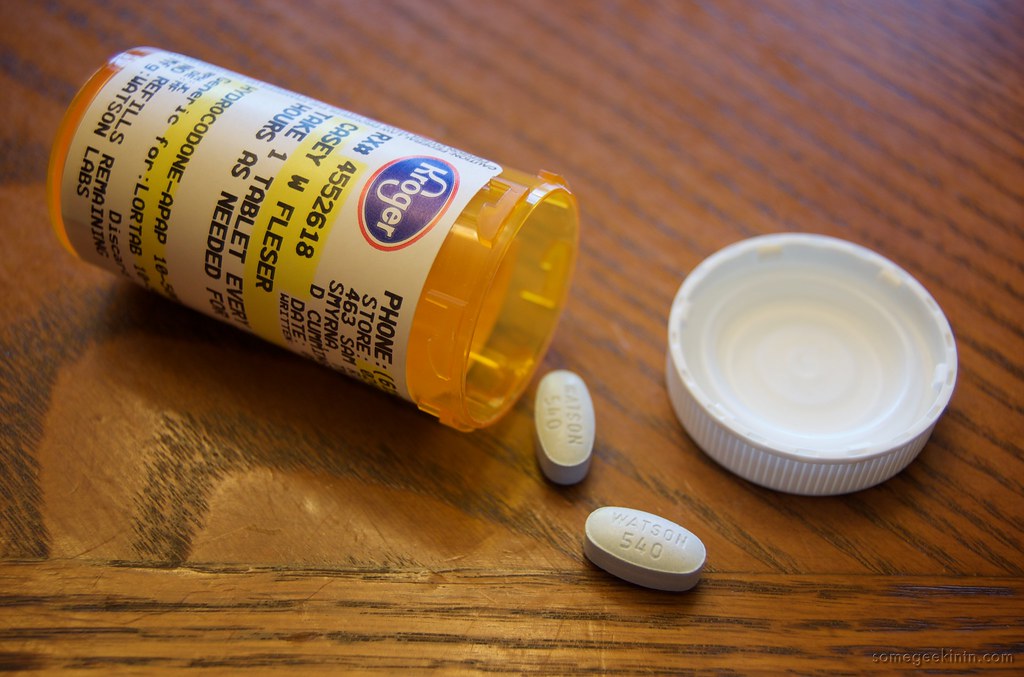
Opioids are a class of drugs primarily used for pain relief, especially in cases of chronic pain where other medications may not be effective. Opioids carry a high risk of addiction and are commonly used for treatment in severe pain conditions.
When prescribed and used appropriately, opioids can provide much-needed relief to individuals suffering from intense pain due to various medical conditions or surgical procedures.
The addictive nature of opioids stems from their ability to interact with the brain’s receptors, leading to a sense of euphoria. This addictive potential poses significant challenges, as long-term use can result in physical dependency and tolerance, requiring higher doses for the same pain-relieving effect.
As a result, there is a growing concern about the rise in opioid addiction and the need to explore alternative therapies for managing chronic pain without relying solely on opioids.
What Are the Risks and Side Effects of Opioids?
The risks and side effects of opioids include addiction, decreased effectiveness over time, respiratory depression, and potential overdose. These risks are particularly concerning in cases of chronic pain management where long-term opioid use is common.
Individuals managing chronic pain conditions may find themselves caught in a cycle where they require higher doses of opioids to achieve the same level of pain relief due to the development of tolerance. This can lead to a dangerous cycle of escalating doses, increasing the risk of accidental overdose.
The addictive nature of opioids can cause individuals to become dependent on the medication, leading to withdrawal symptoms when trying to reduce or stop its use. It is crucial for healthcare providers to closely monitor patients on long-term opioid therapy to minimize these risks and explore alternative pain management strategies.
How Can CBD Gummies Be Used as an Alternative to Opioids?
CBD Gummies offer a holistic and natural approach to pain relief, making them a promising alternative to opioids for managing various conditions. The non-addictive nature of CBD provides a safer option for individuals seeking pain management solutions.
CBD gummies interact with the body’s endocannabinoid system, which plays a crucial role in regulating functions like pain perception and inflammation. By targeting these pathways, CBD can help alleviate discomfort without the risk of addiction or harmful side effects commonly associated with opioids. The calming effects of CBD on the nervous system can promote better sleep and reduce anxiety, providing a well-rounded solution for those struggling with chronic pain.
What Are the Benefits of Using CBD Gummies as an Opioid Alternative?
Using CBD Gummies as an opioid alternative offers several benefits, including natural pain relief, non-addictive properties, and overall wellness support.
One of the notable advantages of CBD gummies over opioids is their natural pain relief abilities. CBD interacts with the body’s endocannabinoid system to help alleviate pain without the risk of addiction or harmful side effects. These gummies can play a significant role in supporting general wellness due to their anti-inflammatory properties.
People who use CBD gummies report feeling more relaxed and experiencing a reduction in stress and anxiety, contributing to an overall sense of well-being. The therapeutic effects of CBD gummies in managing pain are increasingly recognized by healthcare professionals and users alike.
Non-Addictive

One of the key benefits of CBD Gummies is their non-addictive nature, making them a safer option for long-term pain management and overall wellness.
By choosing CBD Gummies over traditional pain relief medications that often come with addictive properties, individuals can experience relief without the risk of dependency. This non-addictive quality not only ensures a safer approach to managing pain but also reduces the likelihood of adverse effects commonly associated with opioid use. As a natural alternative, CBD Gummies offer a holistic solution that promotes wellness by addressing pain without the need for potentially harmful substances.
This shift towards non-addictive options aligns with a growing emphasis on preventive healthcare and sustainable pain management practices.
Minimal Side Effects
CBD Gummies are known for their minimal side effects, primarily due to their natural ingredients and gentle approach to pain relief.
The use of natural ingredients in CBD gummies, such as organic hemp extract and natural flavors, sets them apart from traditional pharmaceuticals that often contain synthetic components. This natural approach contributes to a reduced risk of unwanted side effects, making them a popular choice for individuals seeking a gentle yet effective way to manage pain.
By harnessing the therapeutic properties of CBD in combination with other organic ingredients, these gummies offer a holistic and soothing pain relief experience without the harsh effects commonly associated with pharmaceutical pain medications.
Natural Pain Relief
CBD Gummies offer natural pain relief by harnessing the therapeutic properties of cannabidiol, which can help reduce inflammation and alleviate discomfort.
These gummies have gained popularity for their ability to provide a plant-based approach to managing pain effectively. The organic nature of CBD gummies ensures a holistic and eco-friendly way to address various sources of discomfort. By interacting with the body’s endocannabinoid system, CBD helps regulate pain signals and promote a sense of balance and well-being. This natural remedy is not only gentle on the body but also offers a more sustainable alternative to traditional pain management methods.
How Do CBD Gummies Compare to Other Opioid Alternatives?
When comparing CBD gummies to other opioid alternatives, such as medical marijuana and over-the-counter pain relievers, it’s essential to consider their effectiveness, safety profiles, and overall impact on pain management.
CBD gummies are favored by many for their natural and non-addictive qualities, making them a popular choice for those seeking pain relief without the risk of dependency.
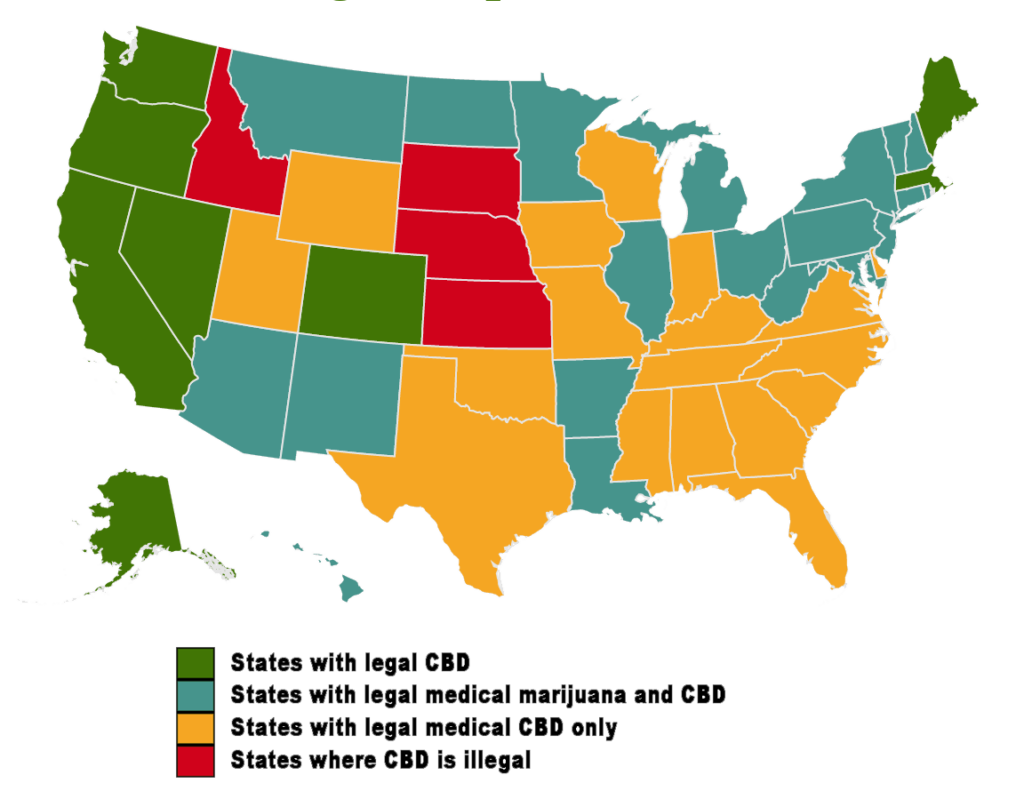
On the other hand, medical marijuana offers a broader range of therapeutic effects due to its varying cannabinoid content, but it may not be legal in all states.
Over-the-counter medications like ibuprofen provide quick relief but can have side effects like stomach irritation with prolonged use.
Each option has its advantages and drawbacks, so individuals should weigh these factors to determine the best fit for their pain management needs.
CBD Gummies vs. Medical Marijuana
CBD Gummies and medical marijuana both offer pain relief through their therapeutic effects, but CBD Gummies are preferred for their non-psychoactive nature and ease of use.
CBD Gummies provide a convenient option for individuals seeking pain relief without experiencing the euphoric high associated with medical marijuana. The non-psychoactive nature of CBD gummies makes them a popular choice for those who want to manage their pain discreetly and without any impairment. The user-friendly aspect of CBD gummies, with pre-determined doses and easy consumption, offers a more controlled and predictable way to address pain symptoms compared to the variability often seen with medical marijuana consumption. These factors contribute to the growing appeal of CBD gummies within the realm of pain management.
CBD Gummies vs. Over-the-Counter Pain Relievers
CBD Gummies and over-the-counter pain relievers present different approaches to pain management. While OTC medications offer immediate relief, CBD Gummies provide a natural and holistic solution with fewer side effects.
One of the key distinctions between the two options lies in their mechanisms of action. Over-the-counter pain relievers typically work by inhibiting certain enzymes in the body to reduce pain signals, whereas CBD gummies interact with the endocannabinoid system to promote balance and alleviate discomfort.
This natural approach of CBD gummies is particularly appealing to those seeking alternatives to synthetic medications. CBD gummies are known for their anti-inflammatory properties, which can help address the root cause of pain rather than just masking the symptoms.
What Are the Potential Risks of Using CBD Gummies as an Opioid Alternative?

While CBD Gummies offer promise as an opioid alternative, potential risks include a lack of regulation, the possibility of drug interactions, and limited research on their long-term effects.
The lack of consistent regulation in the CBD market raises concerns about the quality and purity of ingredients in gummies, potentially leading to variability in dosage and effectiveness.
There is a risk of drug interactions when combining CBD with other medications, as CBD can interfere with the body’s ability to metabolize certain drugs.
Further research is crucial to understand the full scope of CBD gummies’ safety and efficacy, especially considering the lack of comprehensive studies on their potential long-term impacts on users.
Lack of Regulation
One of the primary risks of using CBD Gummies is the lack of comprehensive regulation, leading to varying legal statuses and quality standards across the market.
This lack of clear regulatory oversight poses significant challenges for consumers, as the quality and safety of CBD gummies can vary greatly depending on the manufacturer and region. Without uniform guidelines, consumers face the uncertainty of not knowing the exact contents or potency of the products they are purchasing.
This ambiguity may lead to a decrease in consumer trust and preferences towards CBD gummies, impacting the overall demand in the market. As consumers become more cautious about the products they consume, companies that prioritize transparency and quality control are likely to gain a competitive edge amidst the regulatory uncertainties.
Potential Drug Interactions
CBD Gummies may pose risks of potential drug interactions, especially when combined with other medications due to varying dosages and interactions with existing health supplements.
These interactions can potentially alter the effectiveness and safety of both the CBD gummies and the other supplements being consumed. It is crucial for individuals using CBD gummies to carefully monitor their dosage and be aware of any possible contraindications with other medications or supplements.
Consulting with healthcare professionals, such as doctors or pharmacists, before incorporating CBD gummies into your routine is essential to minimize the risks and ensure optimal health outcomes. By seeking professional guidance, individuals can make informed decisions regarding their overall health and well-being.
Limited Research
CBD Gummies face challenges due to limited research on their long-term therapeutic effects and potential benefits, necessitating further scientific investigation to validate their efficacy as opioid alternatives.
Research gaps also exist in understanding the optimal dosages and delivery methods of CBD gummies to effectively manage pain. Studies need to delve deeper into how cannabinoids interact with the endocannabinoid system to provide pain relief. The long-term safety profile of CBD gummies warrants examination to ensure their viability as a sustainable pain management option. Without comprehensive research, it becomes challenging for healthcare professionals and consumers to make informed decisions regarding the use of CBD gummies for therapeutic purposes.
How Can CBD Gummies Be Used Safely and Effectively as an Opioid Alternative?
To ensure the safe and effective use of CBD Gummies as an opioid alternative, individuals should consult with medical professionals, start with low dosages, and choose quality products from reputable sources.
Consulting with healthcare providers before incorporating CBD gummies into your wellness routine is crucial as they can provide personalized guidance on dosage and potential interactions with any existing medications. Starting with a low dosage is recommended to assess individual tolerance levels and minimize the risk of undesirable side effects. Opting for CBD gummies sourced from reputable manufacturers ensures product quality and adherence to safety standards, thereby enhancing the overall effectiveness and reliability of the alternative.
Consult with a Medical Professional
Before incorporating CBD Gummies as an opioid alternative, it is crucial to consult with a medical professional who can provide personalized guidance based on individual health needs and preferences.
Seeking advice from healthcare providers before using CBD gummies not only ensures that individuals receive safe and tailored treatment options but also highlights the importance of individualized recommendations. Medical professionals possess the expertise to assess factors such as existing medical conditions, medication interactions, and optimal dosage levels, creating a comprehensive approach to incorporating CBD gummies into one’s wellness routine. By collaborating with healthcare providers, health-conscious consumers can navigate the complexities of CBD usage with confidence and peace of mind, promoting an informed and responsible approach to their well-being.
Start with a Low Dosage

When beginning CBD Gummies as an opioid alternative, starting with a low dosage is recommended to assess individual tolerance levels and gradually adjust for optimal wellness benefits.
By starting with a lower dose, one can minimize the likelihood of experiencing any adverse side effects while also allowing the body to acclimate to the introduction of CBD. This cautious approach enables individuals to better gauge how their body responds to the cannabinoid compound, paving the way for a more personalized and effective dosage regimen.
Controlling the dosage of CBD gummies plays a crucial role in maximizing the potential wellness advantages one can derive from the product. It helps in finding the right balance that suits each person’s unique needs and health goals.
Choose Quality Products from Reputable Sources
Selecting high-quality CBD Gummies from reputable sources ensures the use of organic ingredients and promotes confidence in the product’s efficacy and safety as an opioid alternative.
By opting for premium CBD gummies sourced from trusted suppliers, consumers can have peace of mind knowing that the products are free from harmful chemicals and contaminants. This careful selection process not only upholds the integrity of the ingredients but also contributes to maintaining the overall quality of the CBD gummies. It is essential to prioritize transparency and quality control in the sourcing of CBD products to build credibility and trust among users seeking a natural and reliable alternative to traditional opioids.
Frequently Asked Questions
What is the potential for CBD gummies as an opioid alternative?
The potential for CBD gummies as an opioid alternative is significant. CBD, or cannabidiol, has been shown to have pain-relieving properties without the addictive properties of opioids. This makes it a promising option for those looking for alternative pain management methods.
How do CBD gummies compare to traditional opioid painkillers?
CBD gummies and opioid painkillers work differently in the body. While opioid painkillers bind to opioid receptors in the brain and spinal cord, CBD interacts with the body’s endocannabinoid system to reduce pain and inflammation. This means that CBD gummies may be a safer and non-addictive option for managing pain.
Are there any potential side effects of using CBD gummies as an opioid alternative?
While CBD is generally well-tolerated by most people, there can be side effects such as dry mouth, drowsiness, and changes in appetite. It’s important to consult with a healthcare professional before using CBD gummies, especially if you are taking other medications.
Is there any scientific evidence to support the use of CBD gummies as an opioid alternative?
There is a growing body of research that suggests CBD may have pain-relieving properties. A study published in the Journal of Pain found that CBD can decrease pain and improve sleep in patients with chronic pain conditions. However, more research is needed to fully understand the potential of CBD gummies as an opioid alternative.
Can CBD gummies be used to treat opioid addiction or withdrawal?
While CBD may have potential as an alternative to opioids for pain management, it is not currently approved for the treatment of opioid addiction or withdrawal. If you are struggling with opioid addiction, it is important to seek professional help and discuss all treatment options with a healthcare provider.
Are CBD gummies legal to use as an opioid alternative?
The legality of CBD gummies varies by country and state. In the United States, CBD derived from hemp is legal on a federal level, but individual states have their own laws and regulations. It’s important to research the laws in your specific area before using CBD gummies as an opioid alternative.
- What to Do on a Rest Day When You Still Want to Be Active

You have a free afternoon, your workout is finished for the week, and sitting on the couch sounds good for about twenty minutes. Then you start wondering whether you should go for a run, head back to the gym, or find something else to do.
A rest day can include activity. The useful distinction is between enjoying some movement and accidentally turning the day into another demanding workout.
A walk, an easy outing, or a little preparation for the coming week can give the day some structure. What you choose should fit how you feel, what you have already done, and what is coming next.
Here are a few ways to spend a rest day without feeling that you need to fill every spare hour with exercise.
1. Choose an Outing With No Performance Goal
If you track every mile, repetition, and minute during the week, try an activity that does not need a score.
Walk to a coffee shop. Visit a botanical garden. Browse a farmers market. Take a familiar route through your neighborhood with someone you have been meaning to catch up with.
The outing has its own purpose. You are getting coffee, seeing something interesting, or spending time together. Movement happens along the way.
That can be a welcome change from exercise built around targets.
Choose the location carefully. A relaxed stroll through a park and a steep hike in hot weather are very different ways to spend an afternoon. Distance, hills, weather, and travel time all affect how demanding the outing becomes.
You do not need to pick the most impressive option. Pick one you would enjoy today.
2. Keep an Easy Walk Easy
Walking is convenient because it can start at your front door. There is no class to book, equipment to arrange, or long drive before you begin.
It is also easy to turn a short walk into something much bigger. You decide to take the scenic route, add a hill, and keep going until your watch shows a satisfying number.
If the purpose is a relaxed outing, decide that before leaving.
You might choose a familiar loop, leave the pace untimed, or walk with a friend who prefers conversation to competition. Give yourself permission to head home when you have had enough.
For context, the CDC’s guide to what counts as physical activity for adults explains that brisk walking is one example of moderate activity and that activity can be broken into smaller periods throughout the week.
That does not mean every rest-day walk needs to become brisk exercise. It simply shows that movement can take different forms. Today’s choice can be a comfortable outing rather than another target to meet.
3. Borrow the Attention Athletes Give to Recovery
Sports coverage tends to focus on the visible moments: a difficult shot, a fast finish, or a demanding training session. The quieter decisions around those moments attract less attention.
For recreational athletes, those decisions matter too. A hard basketball game, a long run, or several demanding martial arts classes all occupy space in a week that also includes work and family responsibilities.
CEOColumn’s discussion of why recovery belongs in an athlete’s routine uses Stephen Curry as the starting point for considering that wider schedule.
The practical question for your day off is what will fit alongside the activity you already do.
If tomorrow involves an early class, a late evening out may leave the morning feeling rushed. If you have just finished a demanding week, filling the entire day with errands and another workout may offer little room to pause.
A rest day gives you an opportunity to look at the schedule before automatically adding more.
4. Spend Time on a Hobby That Usually Gets Pushed Aside
Exercise can take up so much of your free time that other interests slowly disappear.
A day away from training is a chance to return to them.
Pick up a book you started last month. Work on a small photography project. Cook something you have never tried. Visit a record shop, play an instrument, or meet a friend for lunch.
Choose something you actually want to do. A hobby loses much of its appeal when it becomes another assignment with a deadline.
It can help to make the first step small. Put the book beside your chair. Charge the camera. Buy the ingredients for one recipe. Text your friend with a specific time and place.
You are more likely to enjoy the afternoon when you spend it doing something rather than scrolling through ideas about what you could do.
5. Prepare One Thing for Your Next Training Day
A little preparation can make the next session easier to attend.
Wash the clothes you need. Replace the item that keeps falling out of your gym bag. Check your class booking. Put your shoes somewhere you will find them before leaving.
Choose the task that removes a recurring annoyance.
For someone who trains after work, that might mean packing a clean shirt and towel in advance. For a weekend basketball player, it could be checking the game time and arranging transport. For a runner, it might be finding a route that fits the available window.
Keep the task contained. Preparing one useful thing does not require reorganizing every cupboard or redesigning your entire fitness routine.
Ten minutes spent solving a familiar problem may be enough.
6. Make Food Part of the Day’s Enjoyment
A free afternoon can be a good time to cook without rushing.
Try a recipe, prepare an easy meal for a busy evening, or visit a market for ingredients you do not usually buy. If you enjoy cooking with someone else, make it a shared activity.
There is no need to turn the kitchen into another place where everything must be optimized.
Consider what would make the coming week more convenient. A meal ready after a late class can save you from searching through the fridge when you get home. A packed lunch can remove one decision from a crowded morning.
Prepare what you will realistically eat. An ambitious collection of unfamiliar meals is less useful if it sits untouched while you return to your usual choices.
7. Leave Some Time Unclaimed
A day off can become exhausting when every hour gets assigned a purpose.
You arrange an outing, fit in shopping, clean the house, cook several meals, and decide to squeeze in exercise before dinner. By evening, you have completed plenty of tasks but spent little time resting.
Leave a gap.
That might mean a quiet hour after lunch, an afternoon with no appointment, or an evening when you do not have to leave the house again.
Unplanned time also allows you to respond to how you feel. You can extend an enjoyable conversation, sit outside, or abandon an outing that no longer sounds appealing.
The day does not need a full itinerary to feel worthwhile.
8. Let Today Inform Tomorrow
Before the day ends, take a brief look at your next planned session.
Are you looking forward to it? Does the timing still work? Is there anything you need to discuss with your coach or instructor?
If you are dealing with persistent pain, swelling, or difficulty moving normally, seek appropriate advice rather than treating another workout as a test. Returning after an injury may require a specific plan.
Otherwise, keep the review practical. Confirm the time, get your things ready, and make any sensible scheduling changes.
You do not have to spend the evening analyzing every detail.
Pick One Good Thing to Do Today
If you are still undecided, choose one thing from this list: an easy outing, time with a friend, a hobby, a meal you would enjoy cooking, or a small task that makes tomorrow easier.
Start there and leave room around it.
A rest day can be enjoyable in its own right. You can spend time outside, do something unrelated to training, and finish the evening without feeling that you have taken on another competition. Let the day fit what you need now, then return to your usual activity when the schedule and your circumstances allow.
- The Legal Status of CBD
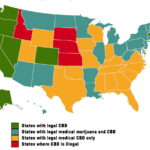
The legality of CBD is complex and varies between federal and state laws in the United States:
- At the federal level, the 2018 Farm Bill legalized hemp-derived CBD products containing less than 0.3% THC. However, CBD products derived from marijuana plants with more than 0.3% THC remain illegal under federal law.
- At the state level, laws regarding CBD use vary. Some states have fully legalized CBD, while others have put restrictions on it. However, experts say prosecution is unlikely as long as users don’t buy CBD products containing THC levels exceeding the federal limit.
- The sale of CBD products is more tightly regulated. Since CBD is an FDA-approved medication (Epidiolex), it cannot be legally added to food or sold as a dietary supplement without FDA approval. This has led to a “Wild West” situation, with many CBD products available despite limited FDA enforcement.
- There are concerns about the quality and safety of CBD products, as many have been found to be mislabeled and contain higher levels of THC than advertised. This can lead to failed drug tests.
In summary, the legality of CBD is complex, with a mix of federal and state laws. While possession and use of hemp-derived CBD with less than 0.3% THC is generally legal, the sale and manufacturing of CBD products is more tightly regulated. Consumers should exercise caution when purchasing CBD products to ensure they comply with applicable laws.
More Sources:
https://www.ncbi.nlm.nih.gov/books/NBK565434/
https://www.aamc.org/news/cbd-does-it-work-it-safe-it-legal